Roof leaks rarely start as emergencies. Most begin quietly, with a small failure that goes unnoticed until water finds its way inside. By the time stains appear on ceilings or walls, damage has often been building for weeks or months.
Whether you own a home or manage a commercial building, understanding how roof leaks form and how to prevent them is essential. This guide explains the common causes of roof leaks.
It also covers why quick fixes often do not work. We will examine how both homes and businesses experience effects. Finally, we will discuss steps to protect your property in the long run.
Why Roof Leaks Happen in the First Place
A roof is exposed to the weather every day. Over time, materials expand, contract, wear down, and shift. Leaks usually happen when one part of the roofing system can no longer keep water out.
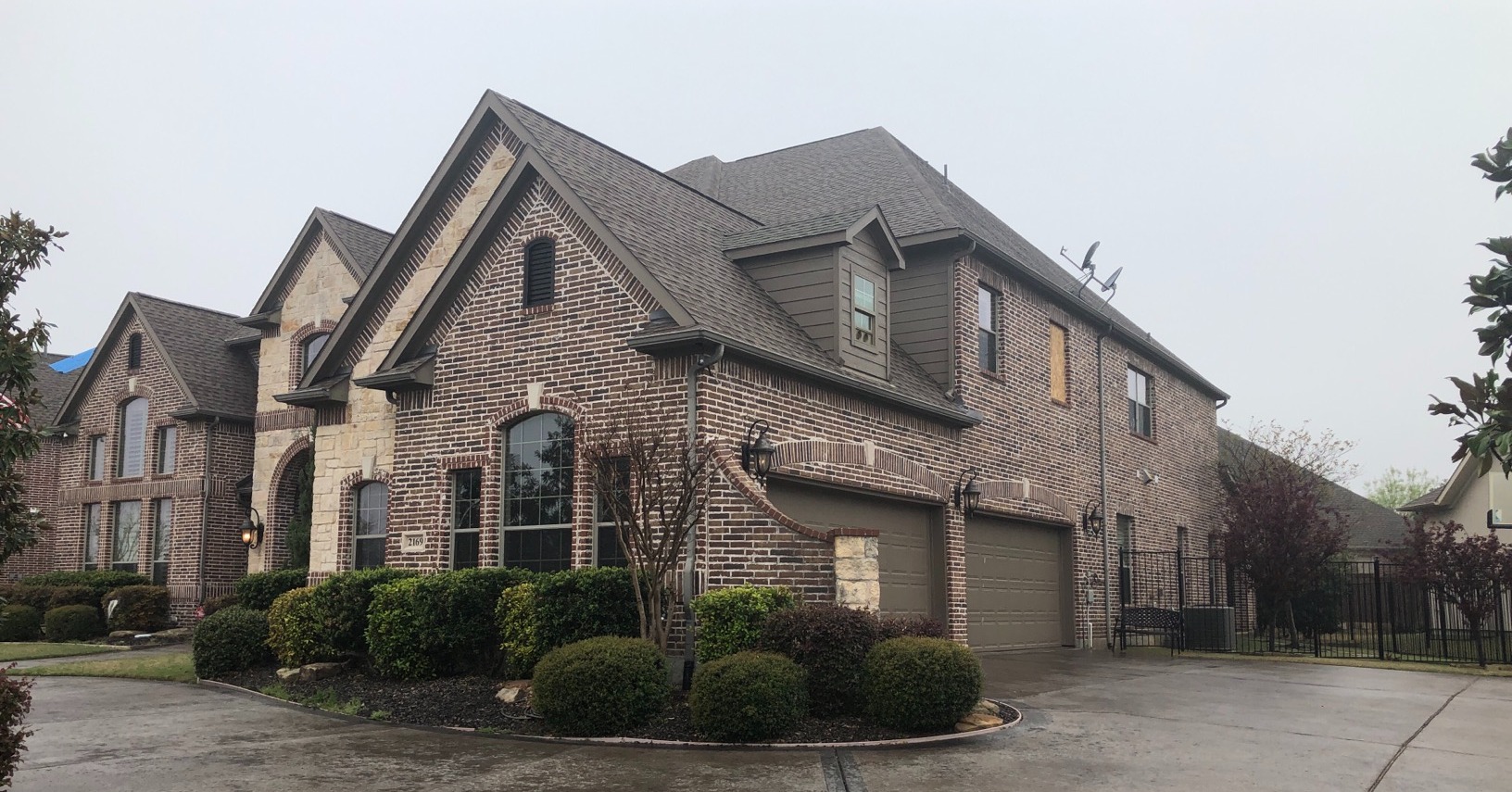
For residential roofs, shingles, flashing, gutters, and ventilation all play a role. When even one of these components fails, water can enter the roof system and travel far from its original entry point. This is why leaks are often difficult to trace without a professional inspection.
In many cases, a single dramatic event does not cause leaks. Instead, slow damage and weather stress lead to them.
Common Causes of Residential Roof Leaks
One of the most frequent causes of roof leaks is damaged or missing shingles. Wind, hail, and normal aging can crack or loosen shingles, leaving the roof deck exposed to moisture. Even a single missing shingle can allow water intrusion during heavy rain.
Flashing issues are another common problem. Flashing seals the joints around chimneys, vents, skylights, and roof valleys. When flashing corrodes or starts cracking and splitting, water can get past the shingles. This can lead to leaks in the home.
Clogged gutters also contribute to leaks. When debris blocks water flow, runoff can build up under shingles or spill over the roof edges. This can soak materials that people do not intend to handle, such as standing water.
Finally, poor attic ventilation can create condensation that mimics roof leaks. Warm, moist air rises and condenses on the underside of the roof, leading to moisture damage over time.
Why Roof Leaks Should Never Be Ignored
A small leak may seem manageable, but water damage rarely stays small. Moisture spreads quickly through insulation, drywall, and framing. Over time, this can lead to mold growth, wood rot, and structural weakening.
Leaks also reduce energy efficiency. Wet insulation loses its effectiveness, forcing heating and cooling systems to work harder. This increases energy costs and shortens the lifespan of HVAC equipment.
From a property value standpoint, unresolved leaks raise red flags during inspections and can significantly lower resale value.
Are Temporary Fixes Like Flex Seal Enough?
When homeowners notice a leak, many look for quick solutions. Marketers often promote products like Flex Seal as easy fixes, but these products come with limitations.
Flex Seal may temporarily stop water from entering through minuscule surface cracks or pinholes. However, it does not address deeper issues like damaged shingles, failing flashing, or deteriorating underlayment. Exposure to the sun and weather often causes these products to crack or peel, allowing leaks to return.
Temporary sealants can also make professional repairs more difficult later. In most cases, they delay proper repairs rather than prevent damage.
A professional inspection identifies the source of the leak and provides a solution that lasts.
Commercial Roof Leaks and Flat Roof Challenges
Commercial roofs face different challenges, especially flat or low-slope systems. Because water does not drain as easily, pooling water becomes a major concern. Standing water adds weight and increases the likelihood of membrane failure.
Roofing membranes keep flat roofs safe from moisture. However, sun exposure and temperature changes can lead to cracking, blistering, or shrinkage over time. Once the membrane fails, water can enter the building.
Improper sealing around vents, drains, and HVAC units is another common issue. You must seal these penetrations correctly and inspect them regularly. Aging commercial roofs also become more prone to leaks as materials reach the end of their service life.
How to Spot Roof Leaks Early
Leaks do not always announce themselves clearly. Exterior signs include missing or cracked shingles, damaged flashing, debris buildup, or soft spots on the roof surface.
Inside the building, watch for ceiling stains, bubbling paint, peeling wallpaper, mildew odors, or unexplained moisture. These signs often appear far from the actual entry point of the leak.
Because water travels along framing and insulation, professional inspections are the most reliable way to identify leaks early.
Preventing Roof Leaks Through Maintenance and Weatherproofing
Preventing leaks starts with consistent maintenance. Regular roof inspections, especially after storms, help identify weak points before they become problems.
Keeping gutters clean ensures water drains away from the roof. Maintaining flashing and seals around roof penetrations prevents water from entering vulnerable areas.
Proper attic ventilation and insulation reduce condensation and moisture buildup that can damage roofing materials from the inside.
Weatherproofing also matters. Sealing gaps around doors and windows helps control moisture. Upgrading materials and installing storm doors or shutters protects the whole structure.
When Professional Help Is Necessary
DIY solutions and visual checks have limits. When leaks persist, appear after storms, or affect interior spaces, professional evaluation is critical.
Roofing professionals conduct comprehensive inspections, identify hidden damage, and recommend repairs or replacement using proper materials and installation methods. This prevents repeated leaks and minimizes long-term repair costs.
Springtree Restoration: Leak Detection and Prevention Experts
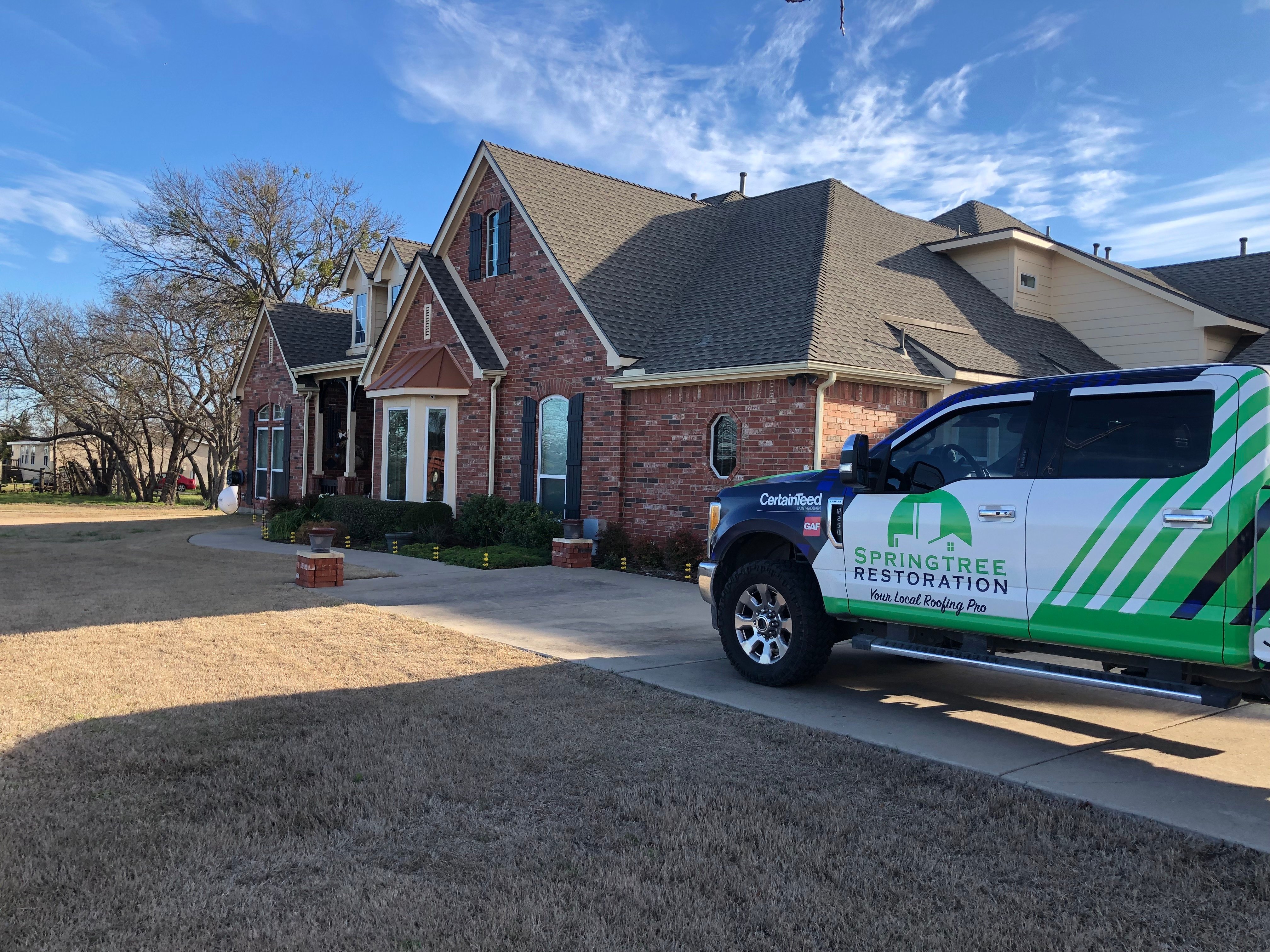
Springtree Restoration provides professional roof inspections, repairs, and replacements for residential and commercial properties across North Texas. They have offices in Allen, Frisco, and Gainesville. Their team knows the local weather and common roof leak causes.
Springtree addresses storm damage, old roofs, and problems with ventilation and flashing. We focus on long-term solutions to protect your property and investment.
Schedule a Roof Leak Inspection Today
If you suspect a roof leak or want to prevent future issues, early action makes all the difference.
📞 Call: (972) 332-4143
🌐 Visit: https://springtreetx.com/Contact
Springtree Restoration is ready to check your roof. We will find the source of leaks and help protect your home or business all year.