Hail damage is one of the most common and costly roofing problems for homeowners in North Texas.
Every spring, severe storms move through the Dallas-Fort Worth area, leaving behind roof damage that is not always easy to see.
Shingles often take the first hit, but the effects of hail can spread far beyond the surface of the roof.
This guide explains how hail can damage roofs.
It also covers signs homeowners should watch for.
You will find out whether new roofs can be affected.
The guide discusses how insurance usually deals with hail damage.
Finally, it offers steps to help protect your home in the long run.
If you live in a hail-prone area, understanding these basics can help you avoid expensive surprises.
Why North Texas Is Prone to Hail Damage
North Texas is in a place called Hail Alley.
This area has some of the most hailstorms in the country.
Cities across the Dallas-Fort Worth Metroplex see frequent hailstorms each year, especially between March and June.
Texas averages hundreds of hailstorms annually, with many storms producing hail large enough to damage residential roofing.
Hailstones range from pea-sized pellets to golf ball-sized or larger impacts. These storms cause billions in property damage in the state.
They also make up a large part of national hail insurance claims.
The combination of storm frequency and roof exposure makes hail damage a recurring concern for North Texas homeowners.
How Hail Damage Affects Roof Shingles
Hail damages roof shingles in several ways, and not all damage is immediately visible from the ground.
Impact damage occurs when hailstones strike shingles at high speed. This can cause cracks, chips, or bruising that weakens the shingle surface. Even when shingles do not break apart, hail may compromise the internal structure.
Granule loss is another major issue. Asphalt shingles rely on granules to protect against ultraviolet exposure and weathering.
Hail can knock these granules loose, exposing the asphalt layer beneath and accelerating roof deterioration.
Repeated hail events can weaken shingles over time, making them more vulnerable to wind damage, leaks, and future storms.
Common Problems Caused by Hail Damage
Roof hail damage often leads to issues that affect both the structure of the home and household finances.
Leaks are one of the most common outcomes. Small cracks or punctures allow water to enter the roofing system, leading to ceiling stains, mold growth, and wood rot.
Hail damage also reduces roof lifespan. A roof that should last decades may need repairs or replacement much sooner after repeated storm impacts.
Energy efficiency can decline as damaged shingles and underlayment allow heat transfer and air loss. This causes heating and cooling systems to work harder, increasing energy bills.
A roof damaged by hail can lower property value.
Not fixing the damage quickly can also make it harder to get insurance coverage.
Can a New Roof Still Suffer Hail Damage?
Many people mistakenly believe that hail cannot damage a new roof. While newer roofs are generally more resilient, they are not immune.
Roofing material type, impact resistance ratings, and installation quality all affect how a roof holds up during storms. In areas with frequent hail activity, multiple storms can hit in close succession. Earlier storms may weaken shingles, allowing later storms to cause more noticeable damage.
Most insurance policies let you file hail damage claims for a limited time, usually up to two years. However, the terms can differ. Waiting too long to inspect a roof can complicate claims and repairs.
How to Tell If Your Roof Has Hail Damage
Hail damage is often missed because it does not always cause immediate leaks or visible issues. Many homeowners never climb onto their roof, and subtle damage can go unnoticed.
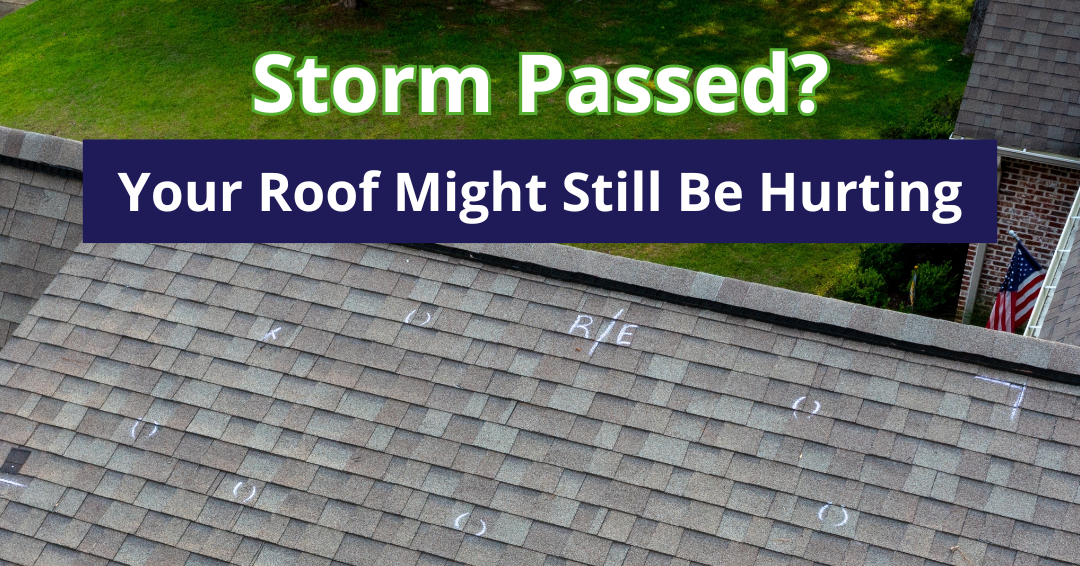
Signs of hail damage on the outside include cracked or missing shingles. You may also see loss of granules, soft spots, and damaged flashing. Dented gutters and torn roof penetrations are other signs to look for. Chimneys and vents are also common impact areas.
Inside the home, warning signs include ceiling stains, peeling paint, moisture marks, or unexplained odors. These can indicate water intrusion caused by roof damage.
A professional roof inspection is the most reliable way to identify hail damage early.
What “Act of God” Means for Hail Damage Insurance Claims
In insurance, people usually call hail damage an act of God. This means the damage happened without any fault of the homeowner.
Because hailstorms are unpredictable, most homeowners' insurance policies cover hail-related roof damage. Other events in this category include tornadoes, hurricanes, wildfires, and falling debris.
After a hailstorm, homeowners should document visible damage, contact their insurance provider, and schedule a professional inspection. An insurance company may send an adjuster to evaluate the roof. Working with an experienced storm restoration contractor helps ensure that they properly identify and document damage.
How to Protect Your Roof From Future Hail Damage
While it is impossible to prevent hailstorms, homeowners can reduce the risk of severe damage.
Installing impact-resistant roofing materials with Class 3 or Class 4 ratings helps roofs withstand hail better. Some insurance companies offer premium discounts for these materials.
Regular roof inspections, especially after storms, help catch damage early. Addressing weak spots and covering exposed areas reduces the chance of secondary damage like leaks or rot.
You must choose a qualified roofing contractor with storm restoration experience when you need repairs or replacement.
How Different Roofing Materials Respond to Hail
Roofing materials react differently to hail impacts.
Asphalt shingles are the most common residential roofing material and also among the most vulnerable to hail damage. Hail can bruise or crack shingles even when damage is not immediately obvious.
Wood shingles may split, exposing fresh wood beneath weathered surfaces. Tile and low-slope commercial roofing systems tend to be more resistant. Metal roofs usually withstand hail structurally, though dents and cosmetic damage can occur.
Inspect all roofs after significant hail events, regardless of material.
Springtree Restoration: North Texas Hail Damage Experts
Hailstorms can leave behind damage that worsens over time if ignored. Some problems may not appear for months while continuing to affect the roof decking and attic structures.
Springtree Restoration has been helping North Texas homeowners recover from hail damage since 2009. They serve the Dallas-Fort Worth Metroplex and nearby areas. They have a lot of experience with roof inspections, insurance claims, and storm damage restoration.
Their team focuses on thorough assessments, clear communication, and long-term repair solutions.
Schedule a Hail Damage Roof Inspection
If your roof has been exposed to hail, do not wait for leaks or interior damage to appear. A professional inspection can identify issues early and help protect your home.
📞 Call: (972) 332-4143
🌐 Visit: https://springtreetx.com
Springtree Restoration is ready to inspect, repair, or replace hail-damaged roofs across North Texas.